Operating Essay · · 4 min
WordPress 7 can work with Claude. Here's why we still move clients off it
WordPress 7.0 put an AI Client in core, and an official plugin lets Claude call a site's functions. We still move business sites off WordPress, because the plugins, the bills and the slow pages stay where they were.


WordPress can now talk to Claude. That changes our pitch: a move to code is no longer the only way to use AI on a business website.
We still move most of the business sites we look at. AI on WordPress speeds up the editing. The cost, the speed and the security of the site stay the same.
What changed in WordPress 7?
WordPress 7.0, named “Armstrong”, shipped on 20 May 2026. It added an AI Client to core, so a site can connect to AI models from one screen in the dashboard.
It builds on the Abilities API, which arrived in WordPress 6.9. An ability is a function the site or a plugin exposes in a standard way, such as “create a post” or “update a product”.
A separate AI plugin adds image generation, title and excerpt suggestions, and alt text.
What can Claude do on a WordPress site now?
The MCP Adapter, announced on 4 February 2026, is an official WordPress plugin. It lets AI tools such as Claude find a site’s abilities and run them.
So Claude can create a draft, update a product or read site data, as long as WordPress or a plugin exposes that task as an ability and a developer marks it as public to MCP. WordPress’s own developer post adds that MCP clients act as logged-in users, so they are part of what has to be secured.
That is a real step. For a team that already has a WordPress developer, it is a cheap one.
What stays the same?
Everything under the editor.
| WordPress with Claude connected | Coded site run by Claude | |
|---|---|---|
| Premium plugins | All of them stay, each with a licence | None. Their jobs are written into the site |
| What Claude can change | The abilities that plugins expose | Any part of the site, because it is code |
| How a change is checked | It runs on the live site as a user | It opens as a preview, and a person approves it |
| Page speed | The same theme and plugins build each page | Pages are built ahead of time and cached |
| What can be attacked | wp-admin, PHP, every plugin, and the MCP connection | Forms and any APIs |
The plugin line is where most of the risk sits. Patchstack counted 11,334 new WordPress vulnerabilities in 2025, and 91% were in plugins. Adding AI doesn’t take a single plugin away.
Speed doesn’t change either. In September 2026, 48.3% of WordPress origins passed all three Core Web Vitals on mobile, according to the HTTP Archive.
Why do we still move clients off WordPress?
Because the bill sits around WordPress, in the plugins, the developer hours and the retainers. We added up every line in what it costs to run a WordPress site in 2026. On a site with an SEO agency, hosting and plugins come to under 3% of the total.
Connecting Claude to that stack makes some edits faster. It doesn’t cancel a licence, close a vulnerability or make a page load sooner.
In code, Claude can change any part of the site, because the whole site is files it can read. Every change opens as a preview, waits for a person to approve it, and is saved in GitHub, where it can be undone in one step.
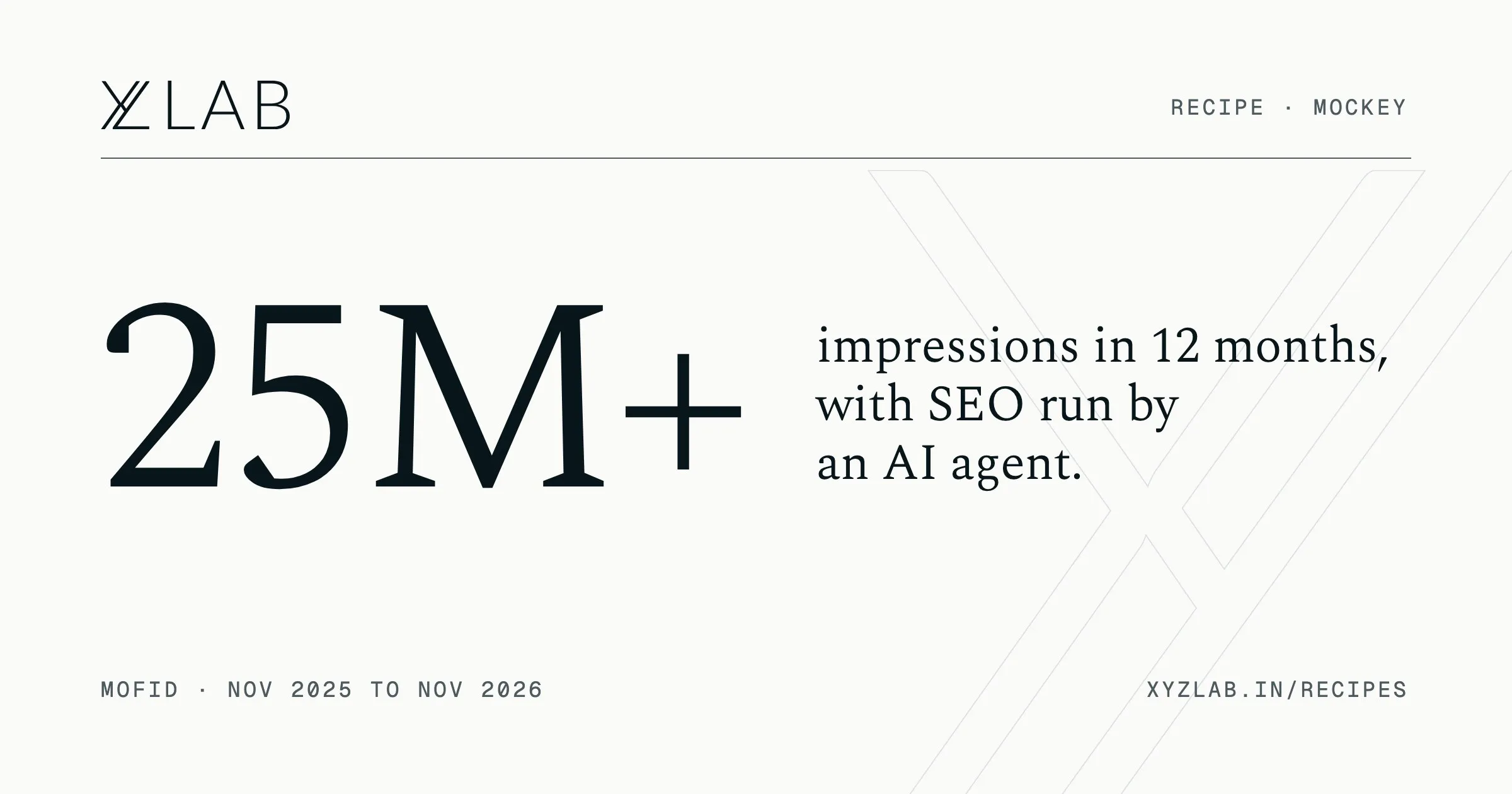
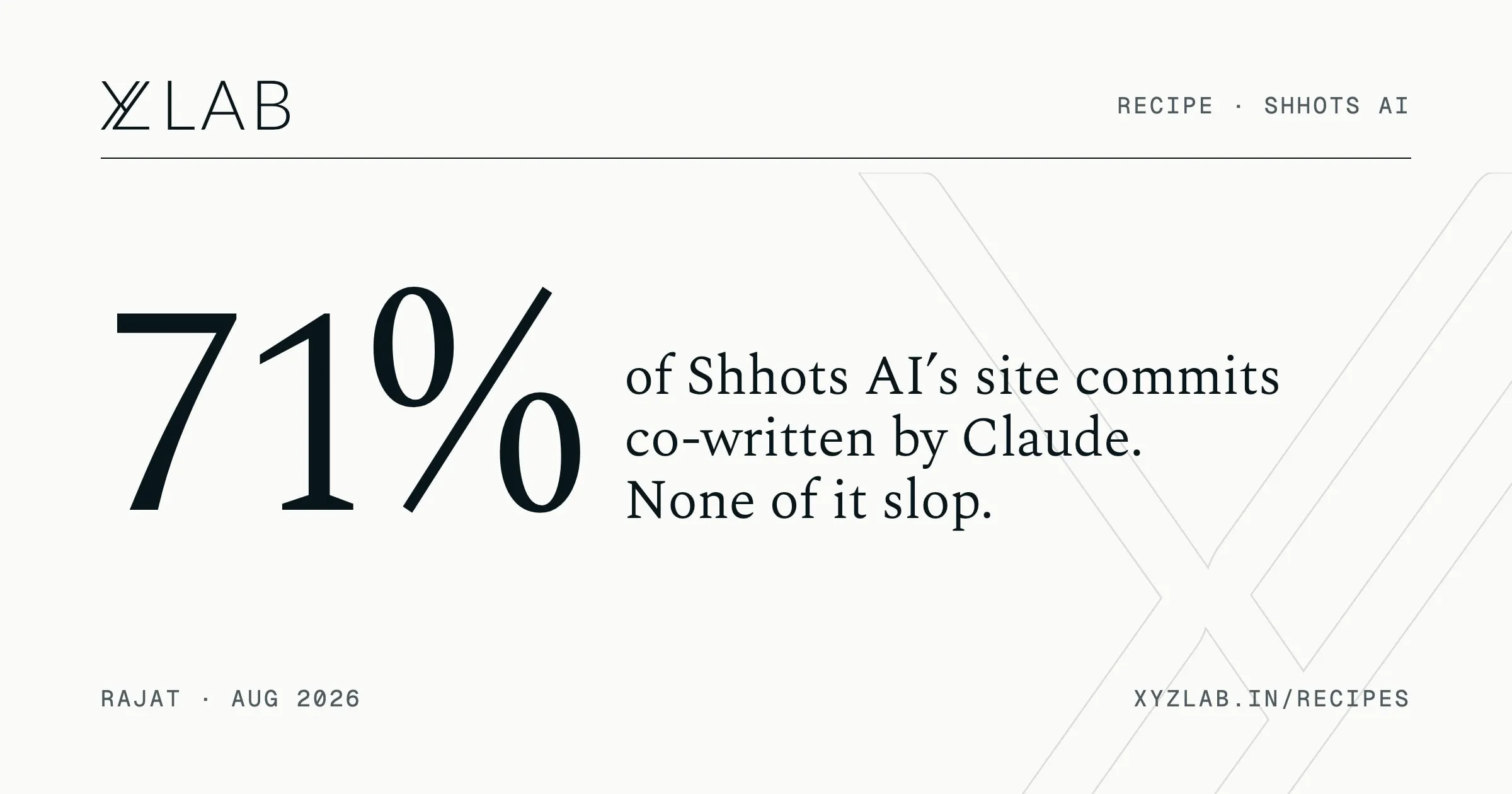
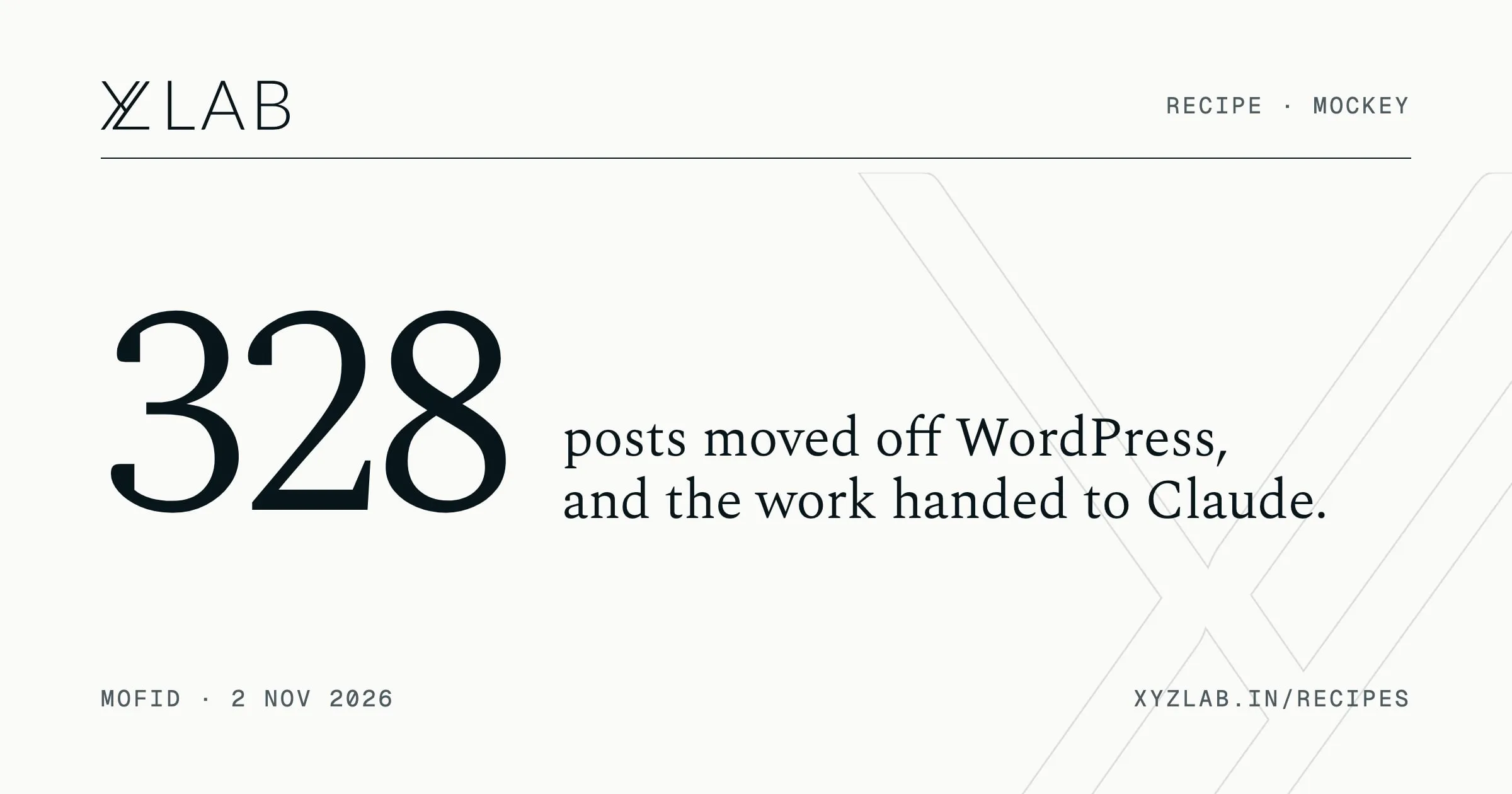
We run our own sites this way. Mockey moved 328 posts off WordPress in September 2026, and its site stack now costs $0 a month. At Shhots AI, Claude co-wrote 71% of the site commits in August 2026.
Who should stay on WordPress?
Some sites should, and we tell their owners so.
- A site with an in-house WordPress team. Your developers can expose the abilities you need and keep the stack patched. Adding Claude on top is a small step.
- A short plugin list and no retainer. There is little on the bill for a move to take off.
- A newsroom that lives in wp-admin. Many editors, roles and review steps can be worth more than what a move saves. We’d test the workflow with your editors first.
- Help with writing is all you want. The AI plugin drafts titles, excerpts and alt text inside the editor your team already uses.
We set out both sides in WordPress with AI, or a move to code?
What does a move look like?
We start with a two-week Diagnose: your bills, your plugins, your traffic, and a plan with the numbers attached. If the numbers say stay, we say so.
If they say move, we rebuild the site in code in your accounts, map every old URL to its new one, and keep the old site up until the new one is live. Then Claude runs it, and a person on your team approves each change. The full process is on WordPress to Claude.
Bring your hosting and plugin bills to a call in the calendar below, and we’ll tell you which side your site is on.
This work sits under WordPress to Claude.